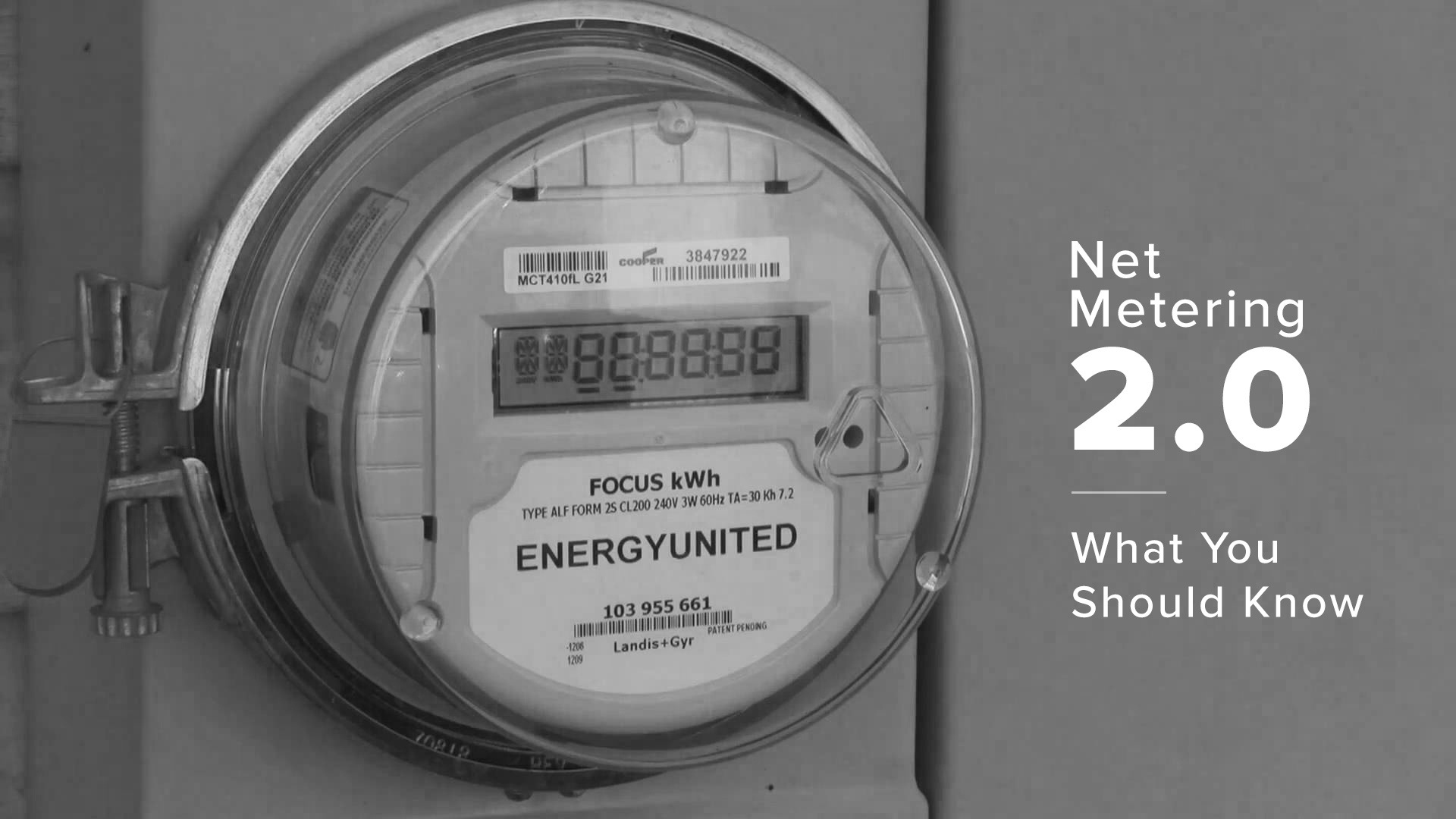
California’s NEM 2.0 (Net Energy Metering 2.0) officially ended on April 14, 2026. If you’re a solar contractor or homeowner in California, this change directly affects how your solar system gets compensated — and what your new projects need to include.
What Was NEM 2.0?
Net Energy Metering 2.0 was California’s solar compensation program that allowed homeowners to receive credit for excess solar energy sent back to the grid at near-retail electricity rates. For years, NEM 2.0 made rooftop solar one of the best financial investments a California homeowner could make.
Under NEM 2.0, customers received bill credits at the full retail rate for every kilowatt-hour (kWh) they exported to the grid. A system that generated more than it consumed could effectively zero out an electric bill.
What Replaced NEM 2.0? The Net Billing Tariff (NBT)
California’s Net Billing Tariff (NBT), also called NEM 3.0, replaced NEM 2.0 as the compensation structure for new solar customers. Under NBT:
- Export rates are based on the Avoided Cost Calculator (ACC) — much lower than retail rates
- Export compensation varies by time of day and season
- Battery storage becomes much more financially valuable
- Payback periods for solar-only systems are longer without storage
What This Means for Solar Contractors
The end of NEM 2.0 changes how you should be designing and selling solar systems in California:
- Solar + Battery is now the standard — Without battery storage, customers export their most valuable daytime production at low ACC rates instead of using it in the evening at peak prices
- System design matters more — Self-consumption optimization is critical. Systems should be sized to maximize usage, not just production
- Sales proposals need updating — Financial models based on NEM 2.0 export rates are no longer accurate
- Permit packages need to reflect battery integration — More projects will include ESS, requiring updated electrical diagrams and NEC 706 compliance
Customers Who Grandfathered Into NEM 2.0
Customers who interconnected under NEM 2.0 before April 14, 2026 are grandfathered into their existing tariff for 20 years from their original interconnection date. This is an important selling point for customers who are considering adding battery storage to existing NEM 2.0 systems — they keep their favorable export rates.
How EnersolConnect Helps California Contractors
Our team designs permit-ready plan sets for California solar and solar+battery projects under the new NBT structure. We’re familiar with:
- California Title 24 requirements
- CALFIRE setback rules
- Rapid Shutdown (NEC 2020) compliance
- NEC 706 battery storage integration
- SolarApp+ expedited permit pathway
Whether you’re designing a solar-only system or a solar+battery project under NBT, we deliver PE-stamped, permit-ready plan sets in 2–5 business days.